As we begin the new year, we wanted to take a moment to reflect on 2025 and share some thoughts on the year ahead. Specifically, how we view the current real estate market, individual asset class opportunities, and our approach going into this year’s commercial real estate market.
During the past few years, higher inflation, elevated interest rates, and reduction of debt lending placed downward pressure on all commercial real estate asset valuations. Add into this equation policy and economic volatility and we are reminded of one of our core principles: outcomes in real estate investing are rarely dependent on timing markets, but rather identifying strong fundamentals with quality assets at a good basis.
Inflation is no longer the main headline for the Federal Reserve as softening in the labor market has shifted the Fed’s focus back to their dual mandate of price stability (inflation) and maximum employment. Buyers and Sellers are getting closer aligned on pricing but not such that we have a vibrant and healthy transactional market. This is due to previous aggressive leverage, short term debt, and unrealistic assumptions applied in the previous cycle. This means there will be unique investment opportunities as more “motivated sellers” reveal themselves as the year progresses. This bodes well for our Equity Street Community as our patience, flexibility, and strong capitalization, are all attributes that will allow us to take advantage of these opportunities.
Real Estate is cyclical and we know it is imprudent to make investment decisions that depend on unrealistic market shifts or perfectly timing the market. We remain disciplined and highly selective in our approach to new acquisitions for the benefit of our capital and partners.
As direct operators since 2004, and with over $3B of investing behind us, we have navigated multiple market cycles, and that experience is more valuable than ever.
This past year we were very selective and disciplined in our approval of new acquisitions. We do not believe in forcing capital deployment if our fundamentals can not be met. We will continue to identify opportunities that confirm strong cash flows, favorable pricing, and capital structures that withstand market volatility and target long-term benefit. This will open up new approaches on how we invest through recapitalizations, preferred equity positions, debt positions, and other strong risk adjusted structures to allocate our capital.
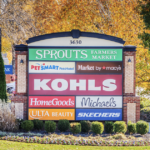
Retail
Consumer resilience and strong fundamentals continue to power the retail market. In store retail sales still account for 83% of all retail sales. Supply remains constrained, with retail construction at historic lows, preventing an oversupply. In addition, demand for brick-and-mortar retail locations is further being driven by retailers seeking physical space to enhance cooperation between in-store and online shopping experiences, including e-commerce pick-up and in-store returns. This, in turn, favors landlord pricing. With a diversified group of strong credit tenants, built-in rent escalations, and longer duration leases, we are finding our target of open air big box retail centers providing attractive cash yields with extended horizons that allow for future potential appreciation and growth.
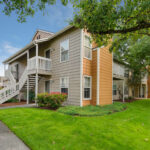
Multifamily
The United States faces a 4.7 million unit housing shortage. In addition, approximately 1.8 million U.S. renter households can no longer afford the median-priced home in their market due affordability challenges, bringing into perspective the long-term supply and demand fundamentals that favor this asset class. In the short-term, pandemic-era shifts in housing demand and affordability altered multifamily dynamics throughout major U.S. markets, resulting in a record pace of new construction, and leading to the slow absorption story that has softened rents and demand this past year. The pace of construction nationally slowed significantly to end 2025, however, and we view 2026 as a continued turning point on firming rents and valuations broadly across quality multifamily. We are excited to identify and target unique opportunities in this asset class this year.
Florida Office
In-migration of households and businesses, favorable demographics and growth, along with business friendly state laws and incentives, continues to drive very strong operational performance in this unique niche portfolio of Class A, fully amenitized Florida office buildings. Our 942K SF Florida office portfolio is 93% occupied, while weighted effective rent growth is up +32% since 2022. We will continue to take advantage of this business thesis while it is still overlooked by larger institutions and follow-the-herd investors. We believe long-term this arbitrage of perception and value will be a benefit within our portfolio.For our investor partners, to see more in-depth updates on your specific investments, please log in to your Equity Street Capital Investor Portal to access detailed Quarterly Reports.
Year-End Portfolio Update
During the year, our team successfully closed on:
- Acquisition of three retail assets totaling $169M
- Sale of five properties totaling $211M
- Successful launch of the Big V Core Property Fund, a $1.2B billion open-ended retail real estate fund
- This was created by consolidating seven institutional-quality retail assets into a single investment vehicle
- We secured a $765 million financing facility to support the new fund’s current operations and continued expansion. This is the largest Retail Loan that Truist Bank has ever executed.
About Equity Street Capital: Equity Street Capital (ESC) is a San Diego-based commercial investment firm renowned for its focus on achieving attractive risk-adjusted returns while maximizing long-term capital appreciation. Founded by real estate investors and entrepreneurs Than Merrill and Paul Esajian, Equity Street Capital is dedicated to providing transformative real estate investment opportunities to it’s investors.